Enriched Music Therapy Benefits Stroke Patients Long Term
Daniel M. Keller, PhD
November 03, 2016
HYDERABAD, INDIA — An enriched intervention approach using music therapy encompassing movement, cognitive focus, psychological well-being, and social interaction benefits stroke patients in the long term, a study shows.
Stroke often leads to depressed mood, social isolation, and diminished feelings of well-being, the researchers point out, and mental distress can impair motor recovery and increase the risk for future stroke.
Addressing the mental, social, and physical domains at the same time, their integrative approach differs from traditional ones that provide separate, isolated occupational, physical, and speech therapies and psychological, social work, and physiatry services.
Preeti Raghavan, MD, from Rusk Rehabilitation at the New York University School of Medicine in New York City, said music is a "universal language," and this sort of enriched intervention approach is appropriate for all types of ethnic communities and may be especially beneficial in areas with limited resources.
She presented her findings here at the World Stroke Congress (WSC) 2016.
Biological Underpinnings
Animal experiments have shown that environments enhanced with sensory stimuli facilitate post-stroke recovery by promoting neurogenesis and neuronal survival, the authors note. Brain-derived neurotrophic factor can enhance learning when training is intensive, and oxytocin promotes social bonding, is neuroprotective, reduces infarct size and inflammation, and enhances neuroplasticity.
Studies in humans have shown two-way signaling between the auditory and motor cortices that underlies beat perception. Rhythms promote efficient recruitment of motor units, leading to improved motor outcomes.
For the Music Upper Limb Therapy–Integrated (MULT-I) preliminary feasibility study, Dr Raghavan recruited patients with chronic hemiparesis from a stroke that occurred at least 6 months earlier. They had to be able to open and close the hand partially on the affected side, with an upper limb score of no greater than 60 on the Fugl-Meyer Scale, meaning there was still room for improvement. Participants could not have a major disability, as indicated by a modified Rankin Scale score greater than 4.
Patients (five groups of three) participated in biweekly 45-minute sessions for 6 weeks. They did not have to have any prior musical training. One occupational therapist and two music therapists provided a 1:1 therapist-to-patient ratio.
Each session consisted of an initial 5 minutes of stretching, 35 minutes of music making, and 5 minutes of discussion. Each person chose a percussive instrument. The only requirement was that patients had to be able to hold an object with which to hit the instrument or to shake the instrument (such as maracas).
Therapists videotaped the group interactive music sessions, reviewed them, and adjusted subsequent interventions based on those observations.
Disability was reduced and well-being improved after the MULT-I program, and these improvements persisted. Modified Rankin Scale measures went from 2.4 before the program to 2.0 afterward (P = .03) and to 1.5 one year later (P = .04 vs before). World Health Organization well-being scores improved from 14 before the program to 18 afterward (P = .03) and the same one year later.
Dr Raghavan said that in the discussion period, even after just the first session, participants commented that they felt function "coming back to what I used to be doing" and "I see that the rhythm is there; it's going to my brain, telling me how to maneuver it."
The experiences in the music sessions carried over into daily life. Participants described benefits going beyond the music-making sessions, such as dancing again, taking the subway, using the affected arm in cooking, dressing, or rising from a chair.
Music Benefits Multiple Domains
Dr Raghavan explained the multiple benefits of music. In the physical domain, it promotes movement, she said, especially repetitive movements by coupling auditory and motor mechanisms. It also distracts attention from the physical efforts required. In the mental domain, music benefits mood and cognitive recovery while eliciting strong behavioral responses, and it integrates cognitive, emotional, and sensorimotor brain functions. Finally, interactive group music benefits patients' social functioning by promoting spontaneous interaction and facilitating development of relationships. Music is also a means of verbal and nonverbal communication.
She said that some of the lessons learned are that "music therapy can provide an enriched environment, it could be relatively low cost, it could be compatible with existing values in different parts of the world, it could address social isolation…and attention." The enriched environment program also has observable results in terms of reduced motor impairment and improved well-being.
Session chair Patrik Michel, MD, head of the stroke center at Lausanne University Hospital in Switzerland, commented to Medscape Medical News that Dr Raghavan presented convincing evidence "that several factors, in particular subjective well-being, were actually improved through this kind of therapy" using professionals to lead an enriched group music program.
He said that usually in rehabilitation, any different kind of enriched therapy activating previously unsolicited brain regions will usually lead to an improvement in patients' function. "This is just tapping into a domain where we have underused the brain that is going beyond traditional motor rehabilitation, traditional speech rehabilitation but just using new auditory, emotional, and musical clues to improve function," he said.
Professor Michel said it will be important to figure out the best amount of music therapy to provide and the best form of music therapy. In this study, the patients were active participants in the sessions, compared with the more traditional music therapy in which patients passively listen to music.
There was no commercial funding for the study. Dr Raghavan and Professor Michel have disclosed no relevant financial relationships.
World Stroke Congress (WSC) 2016. Presented October 28, 2016.
For more Medscape Neurology news, join us on Facebook and Twitter
Friday, December 1, 2017

Wednesday, November 1, 2017
What's It Like to Be a Parish Nurse?
What's It Like to Be a Parish Nurse?
From the Army to the Church
I like being able to help others, assist them in becoming self-sufficient, and give them information on preventing health issues and maintaining a healthy lifestyle within my church community.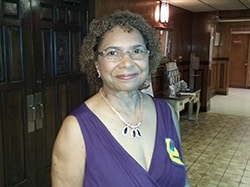
Figure 1. Jacqueline H. Walker, BSN, LTC(R), RN. Courtesy of Jacqueline Walker.
What Is Parish Nursing?
According to the Westberg Institute for Faith Community Nursing:Faith community nurses are licensed, registered nurses who practice holistic health for self, individuals and the community using nursing knowledge combined with spiritual care. They function in paid and unpaid positions as members of the pastoral team in a variety of religious faiths, cultures, and countries. The focus of their work is on the intentional care of the spirit, assisting the members of the faith community to maintain and/or regain wholeness in body, mind, and spirit.I've been the parish nurse at Trinity Baptist Church in Birmingham, Alabama, since February 2016 (Figure 2).
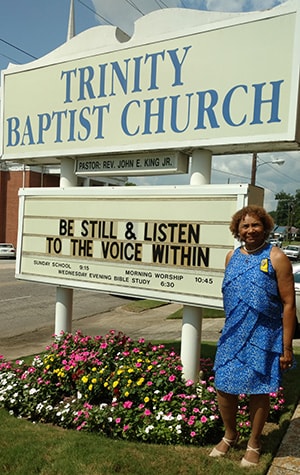
Figure 2. Jacqueline in front of the church where she serves as parish nurse. Courtesy of Jacqueline Walker.
My 'Patients'
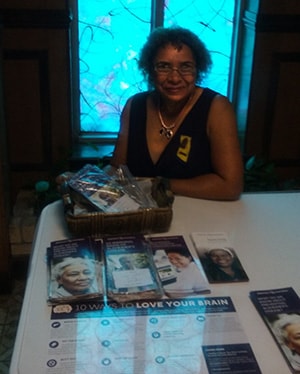
Figure 3. One of Jacqueline's roles is to provide health educational materials to the congregation. Courtesy of Jacqueline Walker.
We would meet at the church on Monday mornings in the gym and have devotion, which consisted of a song, a prayer, and a Bible verse. We walked all around Bush Hills, a main thoroughfare near the church. At the end of one of these walks, I remember that one of my members would have to take a few moments to catch her breath before talking with me. For a long time, no matter when I would return from an active-duty tour, she would always inform me that she was still walking. Maintaining this type of community connection is a very important aspect of parish nursing.
The Challenges of Parish Nursing
The work of a parish nurse can be challenging, however. Sometimes there are not enough human and material resources to accomplish our goals. Sometimes, on the day of an event, there is simply not enough help. However, I always find joy in seeing other people smile and I am fulfilled when I am being of service. For me, if a church member learns at least one thing to make his or her quality of life better, then the sacrifice of my time and talent is worth it.Many people have found that it isn't always easy to pray with someone who is dying, hurting, or suffering. As parish nurses, we learn that it is OK to be silent and the importance of touch.
Jacqueline Walker would like to acknowledge the assistance of Tonya Williams-Walker in the preparation of this article.
Sunday, October 1, 2017
Treating sepsis with vitamin C
Treating sepsis with vitamin C
Could vitamin C help treat sepsis? Some medical experts in Norfolk, Virginia, think so.
A recent study from Eastern Virginia Medical School saw surprising success with a treatment plan combining vitamin C with steroids. The outcomes were so stunning that the National Institutes of Health (NIH) gave the researcher $3.2 million to dig in a little deeper.
Sepsis, a condition caused by infection, is responsible for 258,000 deaths each year. Seniors and babies are at greatest risk. Symptoms range from shivering and fever to breathlessness and confusion. If untreated, it could lead to septic shock or death.
Ordinarily, sepsis is treated with IV fluids, antibiotics, vasopressors or steroids. The Eastern Virginia study found that the effectiveness of steroids improved when combined with high doses of intravenous vitamin C. It’s a revelation that shot ripples of hope through medical communities worldwide.
“This study is very new,” says Dr. Joseph Bellezzo, chair of emergency medicine at Sharp Memorial Hospital, noting that the doctor behind the study is well-regarded in medical circles and that new clinical trials may begin as a result of his work.
Given in very high doses, vitamin C can have negative effects — some as extreme as renal failure. But according to Bellezzo, “Vitamin C in doses suggested by the study has no negative impact at all. And unlike previous treatment trends, the cost is close to nothing.” So the question now is: What’s the harm in trying?
“Sepsis patients are very vitamin-depleted,” says Dr. Bellezzo. “Knowing this, and knowing that vitamin C does no harm, and weighing the success of the study, it seems like something we should be actively looking at.”
As an ER physician, Dr. Bellezo can’t administer vitamin C unless his ICU counterparts continue the treatment post-ER. So he plans to work with them on establishing a protocol. “I want to test it out and measure outcomes,” he says. “It can only help the patient, not harm them.”
But Ashkan Khabazian, PharmD, a pharmacist at Sharp Memorial Hospital, is reluctant to call it a cure. He’s seen trends like this one rise (and fall) before, and sees a need for more thorough, in-depth research. “I’m not saying we should rule it out,” says Khabazian, “because vitamin C has benefits. But one single-center study isn’t enough to completely change our practice.”
When taken orally, vitamin C doesn’t have much effect on the body; but administered intravenously, it can. By protecting the lining of your blood vessels and assisting chemicals that force your blood vessels to “squeeze,” vitamin C can play a role in improving blood flow to the vital organs — a key element in the treatment of sepsis. Its role in clinical bedside medicine has been under-examined, and it hasn’t been a major player since treating scurvy back in the day.
Although some hospitals are trying the protocol, Khabazian would like to see larger, randomized, controlled multi-center trials confirm the benefit found in the initial study before making vitamin C a regular part of sepsis treatment at Sharp.
We may have a ways to go before vitamin C shows its true value. But if proven successful, it will be worth the wait. A treatment that’s low-risk, low-cost and effective? Seems too good to be true. And it just may be. But like any new medical breakthrough, we need to start somewhere.
Friday, September 15, 2017
Community Service Match
Gamma Gamma Members
Our chapter has chosen hurricane relief as our 2017 Community Service Participation Award.
The board voted $1000 in matching funds and we are doing this through a local San Diego 501C agency.
International Relief Teams has a 30 year history of responding to disasters both national and international and has received the prestigious 4 Star Charity Award for 14 consecutive years.
Go to their website International Relief Teams and check them out.
If you are able to assist at this time, however much,
mark GAMMA GAMMA in the "how did you hear" box on the donation form.
You will receive an instant tax donation receipt before you log off the site.
And in December we will receive a total for the chapter matching funds check.
Thank you in advance for your support.
https://www.irteams.org/
Our chapter has chosen hurricane relief as our 2017 Community Service Participation Award.
The board voted $1000 in matching funds and we are doing this through a local San Diego 501C agency.
International Relief Teams has a 30 year history of responding to disasters both national and international and has received the prestigious 4 Star Charity Award for 14 consecutive years.
Go to their website International Relief Teams and check them out.
If you are able to assist at this time, however much,
mark GAMMA GAMMA in the "how did you hear" box on the donation form.
You will receive an instant tax donation receipt before you log off the site.
And in December we will receive a total for the chapter matching funds check.
Thank you in advance for your support.
https://www.irteams.org/
Friday, September 1, 2017
April 5, 2017 Health News Team

Chaplain Judy Ray and her colleagues provide more than just spiritual care for patients and visitors at Sharp Grossmont Hospital.
Today’s hospital chaplains provide spiritual and emotional support to patients and staff in ways that bear little resemblance to the chaplains of years past.
Previously, chaplains were traditionally white, male and Protestant. But today’s spiritual care providers come from backgrounds that are as diverse as the patients they serve, and their responsibilities encompass so much more than just pastoral support.
Sharp Grossmont Hospital Chaplain Judy Ray personifies this new generation of clergy. She received her bachelor’s degree in psychology, and was ordained as an interfaith minister, which positions her well to care for the hospital’s diverse patient population.
The responsibilities of a chaplain run the gamut. At the heart of their work, they are purveyors of comfort, compassion and spiritual enlightenment. They minister in times of grief as well as celebrate in moments of joy.
At Sharp Grossmont, Chaplain Judy (as she prefers to be called) and her colleagues make daily rounds in the Emergency Department and throughout the clinical care areas to assist patients in need.
Spiritual care providers offer the following services:
It takes a village
Providing support to a large hospital is beyond the scope of a small team, so Ray relies on volunteers for an extra layer of help. More than 35 specially trained volunteers at Sharp Grossmont provide comfort and companionship to the dying and their families in the final days of life, as part of the hospital’s unique “11th Hour Program.” To celebrate life’s new beginnings, Ray initiated a popular service called Baby Blessings, for newborns and their parents.
During her career at Sharp Grossmont, Ray has provided compassionate support to thousands of patients and their loved ones in need. When asked if there are any experiences that stand out in her memory, she speaks about the time she sat with an elderly couple while the wife lay dying and her husband reminisced about their 65 years together.
“I was able to bring comfort and listen with compassion,” says Ray. When his wife passed, the husband told Ray, “I’m OK now, because you were my angel.”
Comfort and mindfulness
Ray also recalls the time when she comforted a young mother in the ER, who experienced an unspeakable tragedy when her two young children accidentally drowned. Ray sat with the mother for hours, while supporting the physicians, nurses and staff affected by the incident.
“What helped me get through this was my mindfulness practice. I had to stay focused and balanced, and take care of myself while I was taking care of others,” she says.
More chaplains like Ray are incorporating the practice of mindfulness in their work, which has been shown to help reduce stress, lower chronic pain and improve concentration, among other benefits. In today’s fast-paced and highly charged health care landscape, mindfulness is like a welcome and calming ocean wave.
Ray leads Monday mindfulness sessions for staff, as well as ongoing series of more in-depth classes.
“Our focus has changed in recent years, in terms of taking care of staff. If we can take better care of ourselves, we are prepared to take better care of our patients,” she says.
Previously, chaplains were traditionally white, male and Protestant. But today’s spiritual care providers come from backgrounds that are as diverse as the patients they serve, and their responsibilities encompass so much more than just pastoral support.
Sharp Grossmont Hospital Chaplain Judy Ray personifies this new generation of clergy. She received her bachelor’s degree in psychology, and was ordained as an interfaith minister, which positions her well to care for the hospital’s diverse patient population.
The responsibilities of a chaplain run the gamut. At the heart of their work, they are purveyors of comfort, compassion and spiritual enlightenment. They minister in times of grief as well as celebrate in moments of joy.
At Sharp Grossmont, Chaplain Judy (as she prefers to be called) and her colleagues make daily rounds in the Emergency Department and throughout the clinical care areas to assist patients in need.
Spiritual care providers offer the following services:
- Spiritual support and counseling for patients, visitors and staff
- Daily communion from Eucharistic ministers
- End-of-life and grief support
- Spiritual literature and resources
- Critical incident stress debriefing
- Prayer, meditation and music
It takes a village
Providing support to a large hospital is beyond the scope of a small team, so Ray relies on volunteers for an extra layer of help. More than 35 specially trained volunteers at Sharp Grossmont provide comfort and companionship to the dying and their families in the final days of life, as part of the hospital’s unique “11th Hour Program.” To celebrate life’s new beginnings, Ray initiated a popular service called Baby Blessings, for newborns and their parents.
During her career at Sharp Grossmont, Ray has provided compassionate support to thousands of patients and their loved ones in need. When asked if there are any experiences that stand out in her memory, she speaks about the time she sat with an elderly couple while the wife lay dying and her husband reminisced about their 65 years together.
“I was able to bring comfort and listen with compassion,” says Ray. When his wife passed, the husband told Ray, “I’m OK now, because you were my angel.”
Comfort and mindfulness
Ray also recalls the time when she comforted a young mother in the ER, who experienced an unspeakable tragedy when her two young children accidentally drowned. Ray sat with the mother for hours, while supporting the physicians, nurses and staff affected by the incident.
“What helped me get through this was my mindfulness practice. I had to stay focused and balanced, and take care of myself while I was taking care of others,” she says.
More chaplains like Ray are incorporating the practice of mindfulness in their work, which has been shown to help reduce stress, lower chronic pain and improve concentration, among other benefits. In today’s fast-paced and highly charged health care landscape, mindfulness is like a welcome and calming ocean wave.
Ray leads Monday mindfulness sessions for staff, as well as ongoing series of more in-depth classes.
“Our focus has changed in recent years, in terms of taking care of staff. If we can take better care of ourselves, we are prepared to take better care of our patients,” she says.
Tuesday, August 1, 2017
April 5, 2017 Health News Team
It can seem to be a never-ending cycle. First one person in your home gets sick with a cold or flu — perhaps your school-aged child, partner or roommate. Then you start feeling that slight tickle at the back of your throat or mild ache near your temples, and you sense that you’re next in line for the illness.
During the cold and flu season, staying healthy when others around you are not sometimes feels like an impossible goal.
According to Dr. James Lin, a board-certified internal medicine doctor with Sharp Rees-Stealy Medical Group, there are steps you can take to avoid being the next victim of whatever virus may be taking up residence in your home. These are his top five tips for staying healthy when others are sick:
Stock up
Before heading to the store, make sure you have appropriate over-the-counter medications, healthy foods your loved one can eat, tissues, hand sanitizer, juices and sports drinks to ensure everyone stays hydrated. Don’t forget to add disinfecting cleaning products to your shopping list.
Love from afar
Try to encourage the sufferer to stay in their bedroom. Make sure they have things to read and watch (if they are able), and that they get lots of rest. Keep the bedside table well-stocked with fluids throughout the day, tissues and a trash can to dispose of the used ones. If it’s not too cold outside, crack a window to let fresh air in the house. Keeping your under-the-weather housemate semi-secluded minimizes the spread of sickness.
Keep it clean
Disinfect the things touched by sick hands. This includes door and refrigerator handles; kitchen and bathroom countertops and sink handles; cabinet and drawer pulls; computer and TV components; remotes; and telephones. Wash towels, sheets, blankets and pillowcases often during the illness and before anyone else uses them.
Care, but don’t share
Sharing may be caring, but not when it’s a bug. Make sure that anything an unwell person has used is washed before someone else takes a turn. This includes towels, pillows, utensils, cups and toys. You might want to consider throwing out things that are easily replaced, such as pens, pencils, crayons and bars of soap. It also wouldn’t hurt to toss and replace everyone’s toothbrush.
Wash your hands!
Make sure everyone in the household — both sick and well — is washing their hands often with soap and water, and refraining from touching their eyes, noses and mouths. Also, remind your sick housemate to cough and sneeze into their elbow.
“Don’t forget to take care of yourself when taking care of someone who is sick,” says Dr. Lin. “Make sure you eat a diet rich in fruits and vegetables, practice good hygiene, exercise and get enough sleep — all things that can boost your immune system and help keep you well.”
It can seem to be a never-ending cycle. First one person in your home gets sick with a cold or flu — perhaps your school-aged child, partner or roommate. Then you start feeling that slight tickle at the back of your throat or mild ache near your temples, and you sense that you’re next in line for the illness.
During the cold and flu season, staying healthy when others around you are not sometimes feels like an impossible goal.
According to Dr. James Lin, a board-certified internal medicine doctor with Sharp Rees-Stealy Medical Group, there are steps you can take to avoid being the next victim of whatever virus may be taking up residence in your home. These are his top five tips for staying healthy when others are sick:
Stock up
Before heading to the store, make sure you have appropriate over-the-counter medications, healthy foods your loved one can eat, tissues, hand sanitizer, juices and sports drinks to ensure everyone stays hydrated. Don’t forget to add disinfecting cleaning products to your shopping list.
Love from afar
Try to encourage the sufferer to stay in their bedroom. Make sure they have things to read and watch (if they are able), and that they get lots of rest. Keep the bedside table well-stocked with fluids throughout the day, tissues and a trash can to dispose of the used ones. If it’s not too cold outside, crack a window to let fresh air in the house. Keeping your under-the-weather housemate semi-secluded minimizes the spread of sickness.
Keep it clean
Disinfect the things touched by sick hands. This includes door and refrigerator handles; kitchen and bathroom countertops and sink handles; cabinet and drawer pulls; computer and TV components; remotes; and telephones. Wash towels, sheets, blankets and pillowcases often during the illness and before anyone else uses them.
Care, but don’t share
Sharing may be caring, but not when it’s a bug. Make sure that anything an unwell person has used is washed before someone else takes a turn. This includes towels, pillows, utensils, cups and toys. You might want to consider throwing out things that are easily replaced, such as pens, pencils, crayons and bars of soap. It also wouldn’t hurt to toss and replace everyone’s toothbrush.
Wash your hands!
Make sure everyone in the household — both sick and well — is washing their hands often with soap and water, and refraining from touching their eyes, noses and mouths. Also, remind your sick housemate to cough and sneeze into their elbow.
“Don’t forget to take care of yourself when taking care of someone who is sick,” says Dr. Lin. “Make sure you eat a diet rich in fruits and vegetables, practice good hygiene, exercise and get enough sleep — all things that can boost your immune system and help keep you well.”